
Beyond 2030: The Governance Blueprint India Needs to Hit the SDGs by 2036
As we stand on the cusp of the mid-2020s, India finds itself at a unique civilizational crossroads. To our seniors—the “Silver Generation”—who built the foundations of modern India, the dream has always been about stability, self-reliance, and national pride. To Gen Z—the “Digital Natives”—the dream is about sustainability, equity, and radical transparency.
While the world focuses on the United Nation’s 2030 deadline for the Sustainable Development Goals (SDGs), India must look further. 2036 is not just another year; it marks 89 years of independence and a potential year for India to host the Olympic Games. By then, our governance must shift from “managing poverty” to “managing prosperity.”
To achieve the SDGs by 2036, India doesn’t just need more government; it needs a different kind of governance. Here is the blueprint for the good governance India needs—a blend of ancient wisdom and futuristic tech.

1. From “Red Tape” to “Red Carpet”: Adaptive Regulation
For decades, the term “bureaucracy” has been synonymous with slow-moving files and endless NOCs (No Objection Certificates). For a Gen Z entrepreneur starting a climate-tech startup or a senior citizen trying to access pension benefits, “Red Tape” is the ultimate villain.
The 2036 Vision: We need Adaptive Governance.
Instead of rigid laws that take decades to change, we need regulatory sandboxes. Governance must move at the speed of 6G. This means shifting from a “Command and Control” model to a “Facilitator” model.
For the Seniors: This ensures that the state is a protector of rights and a provider of seamless services.For Gen Z: This creates an environment where “failing fast” and innovating isn’t penalized by outdated colonial-era laws.
2. “Digital Twins” and Data-Driven Empathy
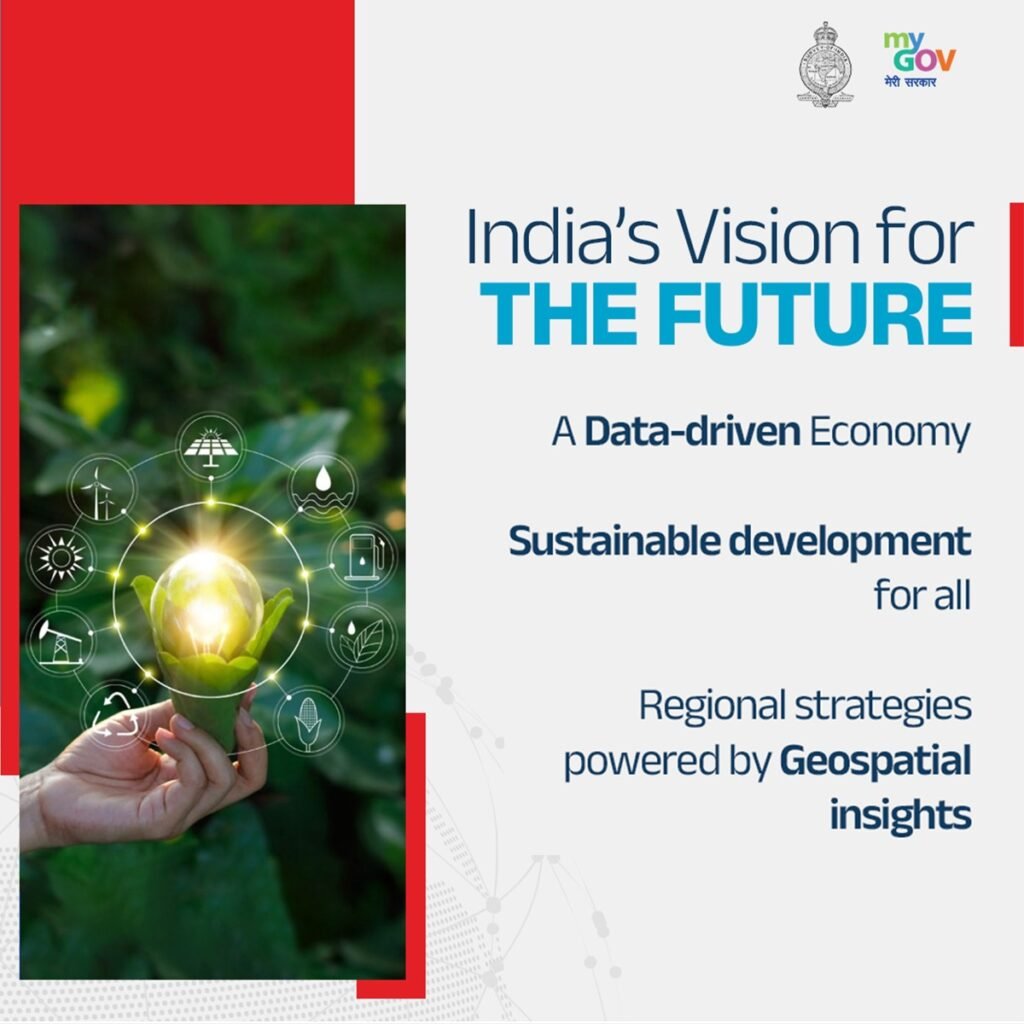
SDG 1 (No Poverty) and SDG 10 (Reduced Inequalities) cannot be solved with guesswork. We have entered the era of Precision Governance.
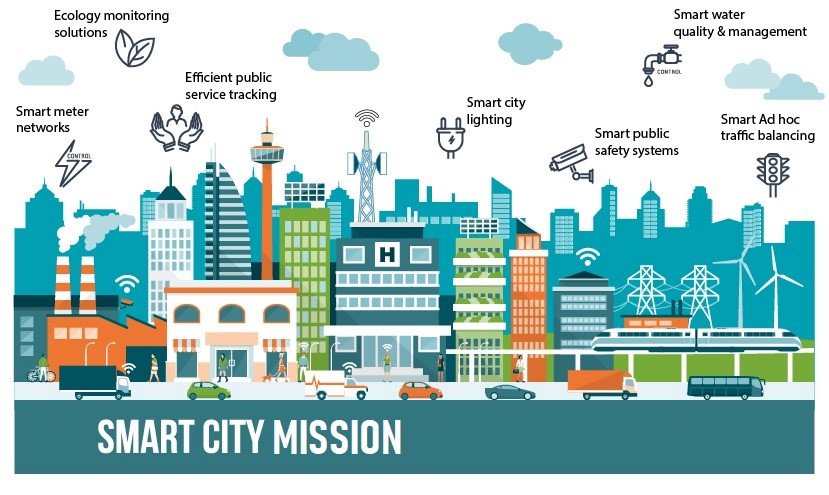
India’s digital public infrastructure (DPI)—the JAM trinity (Jan Dhan, Aadhaar, Mobile)—has already revolutionized direct benefit transfers. By 2036, we need to take this to the next level: Digital Twins of Cities and Villages. Imagine a virtual map of a district in Bihar or Karnataka that uses real-time IoT sensors to show water levels (SDG 6), soil health (SDG 15), and school attendance (SDG 4).
Why it works:
Decision-making becomes localized. Instead of a “one-size-fits-all” policy from New Delhi, a village panchayat can use data to decide if they need a new maternity clinic or a solar-powered cold storage unit.
3. Decentralization: Power to the Pincode
The 73rd and 74th Constitutional Amendments gave power to Panchayats and Urban Local Bodies, but on the ground, they often lack the “3 Fs”: Funds, Functions, and Functionaries.
To achieve the SDGs, India needs Hyper-Local Governance. The climate crisis (SDG 13) isn’t fought in international summits; it’s fought in the drainage systems of Mumbai and the forests of Chhattisgarh.
By 2036, local bodies must be financially independent, perhaps through “Municipal Bonds” that Gen Z can invest in via their smartphones. When people can see their tax money fixing the park next door, trust in governance—the ultimate currency of a democracy—skyrockets.
4. The “Green Contract”: Governance for the Planet
If there is one issue that unites a 70-year-old grandfather concerned about the heatwave and a 17-year-old activist concerned about carbon footprints, it is the environment.
India needs to institutionalize Ecological Budgeting. Every government project must be audited not just for its financial cost, but for its “Carbon Cost.”
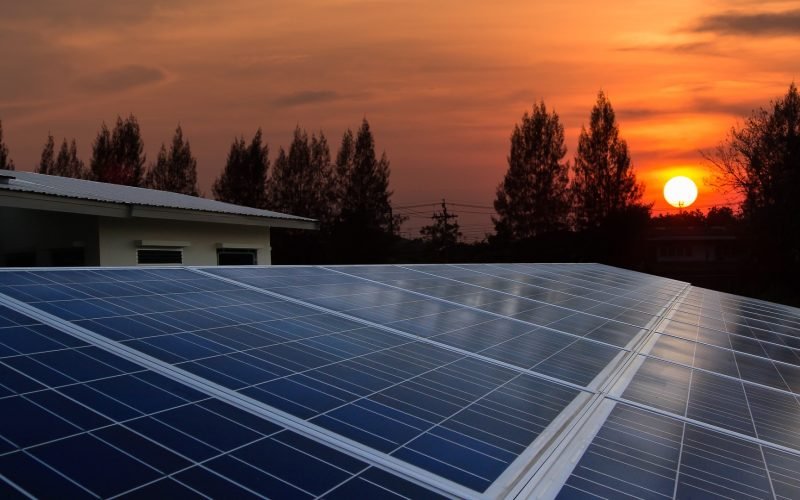
SDG 7 (Affordable and Clean Energy): Governance must incentivize the decentralization of solar power—making every rooftop a power plant.
SDG 12 (Responsible Consumption): India should lead the world in a “Circular Economy” policy, where waste management is treated as a high-tech industry rather than a marginal service.
5. Algorithmic Transparency and the End of Corruption
Corruption is the biggest leak in the bucket of development. While UPI has reduced “retail corruption,” the governance of 2036 must tackle “structural corruption” using Blockchain and AI.
Imagine every government tender, from the construction of a highway to the procurement of mid-day meals, being recorded on a public blockchain. Gen Z’s demand for “authenticity” and the Seniors’ demand for “integrity” can both be met through an immutable digital ledger. AI can be used to spot anomalies in spending before they become scandals.
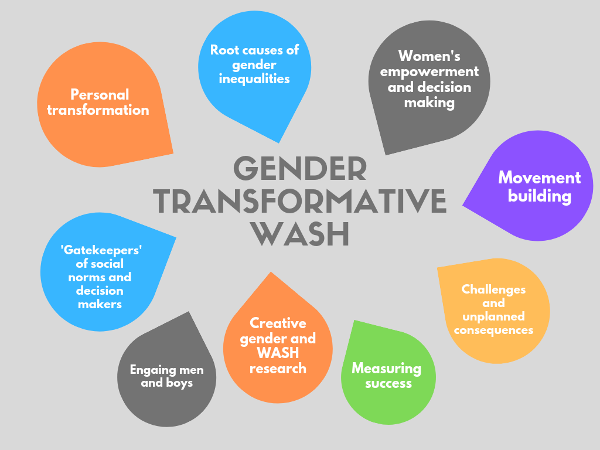
6. Gender-Transformative Governance
You cannot achieve the SDGs if half the population is left behind (SDG 5). Good governance in 2036 must move beyond “women’s welfare” to “women-led development.”
This means:
Safety as a Infrastructure: Using technology and urban planning to make cities safe for women 24/7.
Care Economy Recognition: Developing policies that provide social security to those (mostly women) engaged in unpaid domestic work—an issue close to the hearts of many Indian seniors.
Equal Representation: Ensuring that the Women’s Reservation Bill isn’t just a law on paper, but a reality in the halls of Parliament and Corporate Boards.
7. Collaborative Federalism: Team India
The SDGs are a massive “Group Project.” Currently, competition between states is healthy for investment but can be detrimental for social indicators.
India needs a “Social GST Council”—a body where the Center and States sit together to negotiate health and education outcomes with the same intensity they negotiate tax rates. If a state like Kerala excels in healthcare (SDG 3) and Himachal Pradesh in education (SDG 4), the governance structure should allow for the seamless transfer of “best practices” to lagging regions.
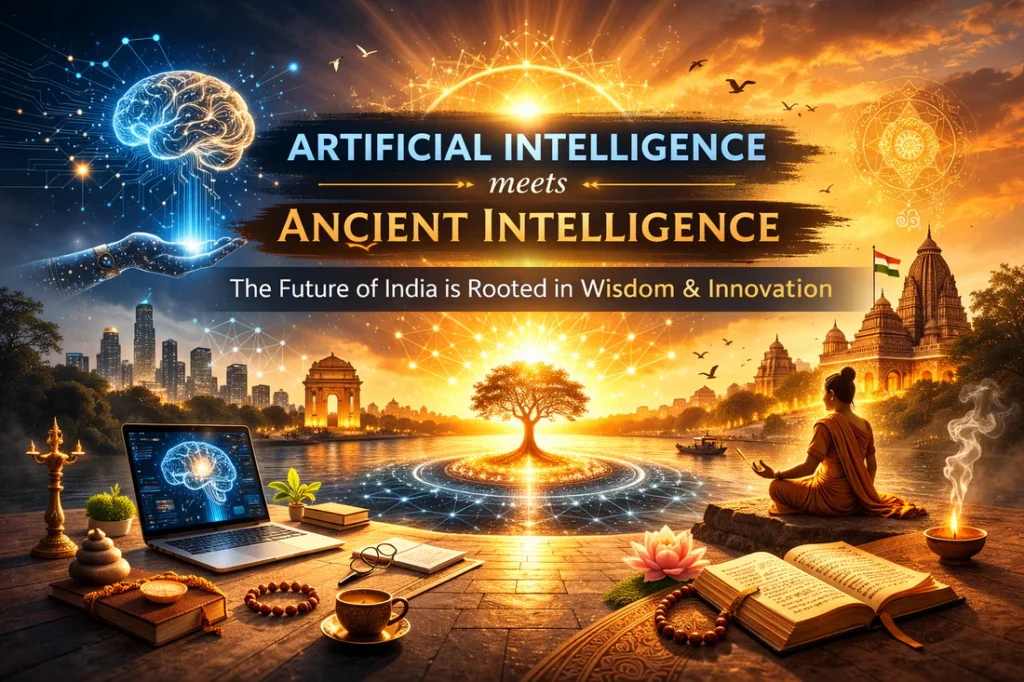
8. Bridging the Generational Divide: The “Wisdom-Innovation” Loop
Finally, the most “Indian” solution to good governance is leveraging our demographic transition. By 2036, India will have a large youth population and a growing elderly population.
Good governance should create platforms for Intergenerational Mentorship.
Seniors provide the “Institutional Memory” and historical context to prevent recurring mistakes.
Gen Z provides the “Innovation Impulse” and tech-fluency to drive efficiency.
Government programs should recruit retired professionals to mentor young social entrepreneurs working on SDG-related projects. This creates a “Society for All Ages”—a core tenet of sustainable development.
The “New India” Social Contract
To reach the SDGs by 2036, the relationship between the citizen and the state must change. We are moving from a “Mai-Baap” (Patron-Client) culture to a “Partner-Sovereign” culture.
Good governance isn’t just about what the government does for us; it’s about how easily the government allows us to do things for the country. It’s about a digital-first, planet-conscious, and empathy-driven system that respects the wisdom of the past while embracing the tech of the future.
If India can fix its governance delivery mechanism, the SDGs won’t just be boxes to tick. They will be the lived reality for 1.5 billion people. Let’s make 2036 the year India shows the world that a diverse, massive democracy can be the most efficient and sustainable engine on Earth.
(अस्वीकरण – उपरोक्त सामग्री में दी गई छवियां केवल दृष्टांत (illustration) के उद्देश्य से एआई (AI) का उपयोग करके जनरेट की गई हो सकती हैं।)
(Disclaimer – The images in the content above may have been generated using AI for illustration purpose only.)


Leave a Reply